The latest AWS scientific study, “Protecting Welders From Ozone”, has been published to reinforce the importance of reducing ozone exposure to as low as reasonably practicable in welding environments.
Among the key objectives of this study was understanding the levels of ozone that an unprotected welder may be exposed to across a variety of different welding processes, and whether a Welding Helmet with a Powered Air Purifying Respirator (PAPR) was an effective control in protecting the welder from exposure to ozone.
To that end, the study includes real-time measurements of the atmospheric concentration of ozone generated from four of the most common welding processes: GMAW (MIG), FCAW (Flux-Cored), MMA (Stick), and GTAW (TIG):
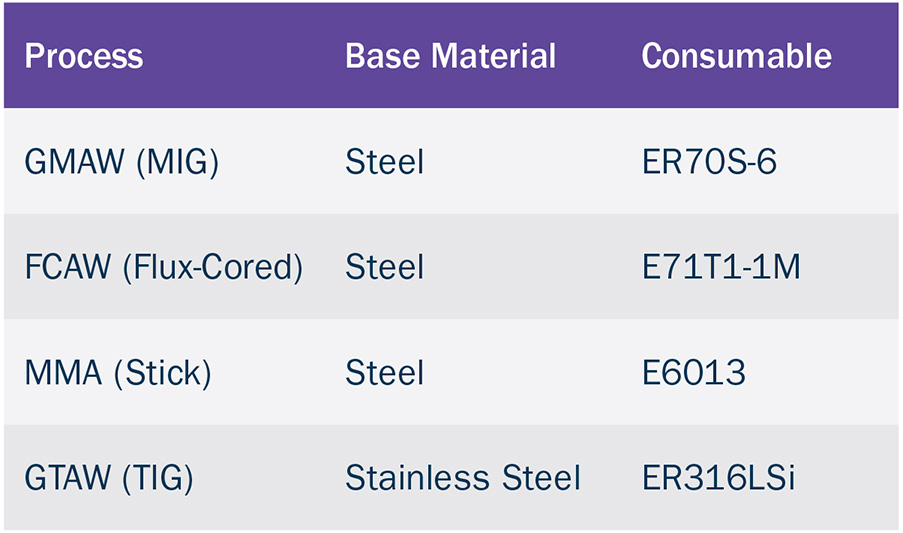
These measurements are then compared against real-time personal ozone measurements collected from the following locations:
- Immediately outside the welding helmet on the welder’s hood.
- Inside the PAPR Welding Helmet (fitted with an A1 filter).
Subsequently, this gives a strong indication of how effective a powered air system can be in reducing ozone exposure relative not only to the general atmosphere, but also compared to other common product controls (Half Mask Respirators, At Source Extraction etc.)
Do you need advice?
The results of this study demonstrate that without adequate controls, across a variety of common welding processes, the welder can be exposed to ozone levels exceeding the Workplace Exposure Standard for ozone (peak limitation of 0.1ppm).
It is therefore imperative for employers to fulfil their legal responsibilities as it relates to ozone and welding fume exposure.
Any workplaces seeking to reduce the welder’s exposure to these airborne hazards can download the new Ozone Study for free below, or contact one of our welding fume and ozone specialists:
Download the Ozone White Paper here